Know Your Stroke Risk
Some stroke risk factors can be changed or treated. Others cannot. Knowing both helps you understand your personal risk and what you can do to protect your health.
Stroke signs? B.E.F.A.S.T. — Call 911 immediately.
Stroke Awareness
Some stroke risk factors can be changed or treated. Others cannot. Knowing both helps you understand your personal risk and what you can do to protect your health.
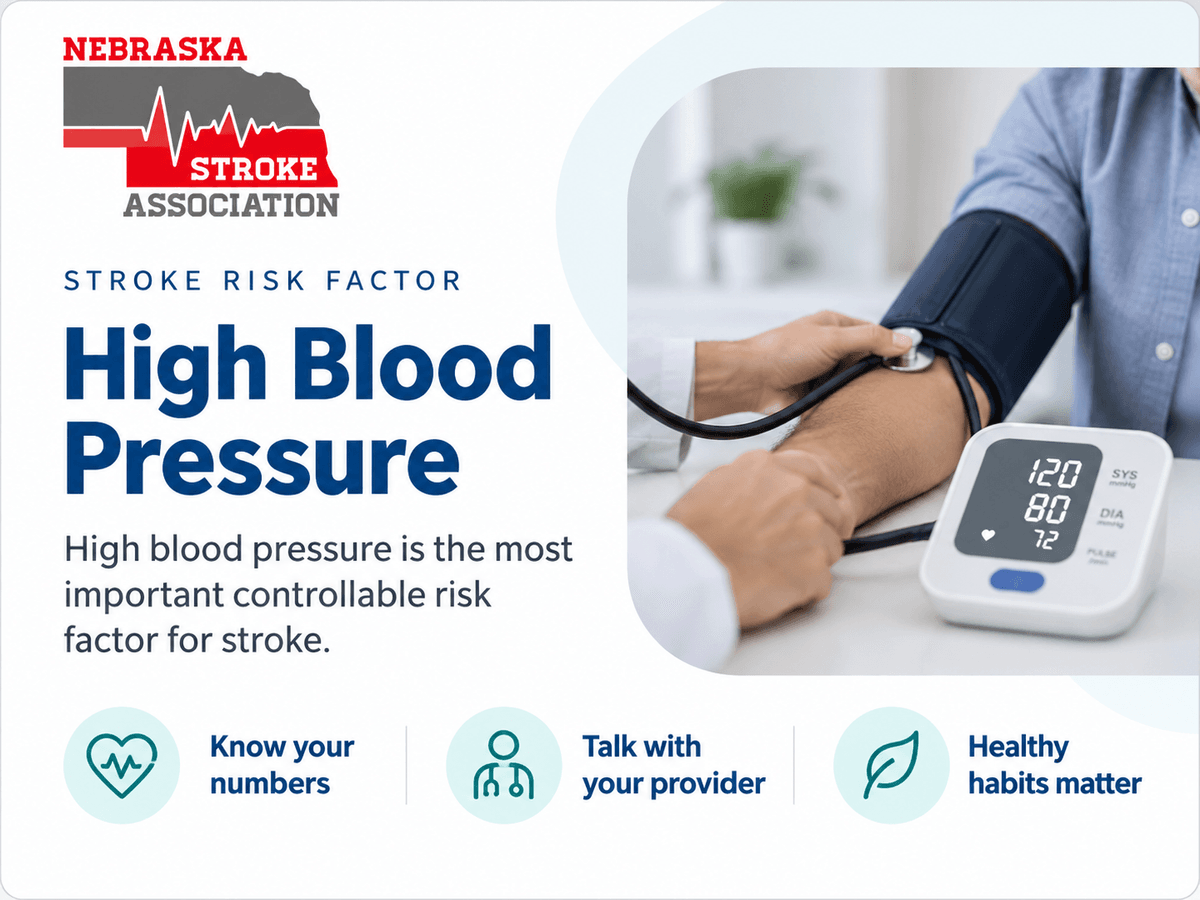
High blood pressure is the most important controllable risk factor for stroke.
Over time, high blood pressure can damage blood vessels and make them more likely to become blocked or rupture.
Know your blood pressure and talk with your healthcare provider about what your numbers mean.
https://www.heart.org/en/health-topics/high-blood-pressure
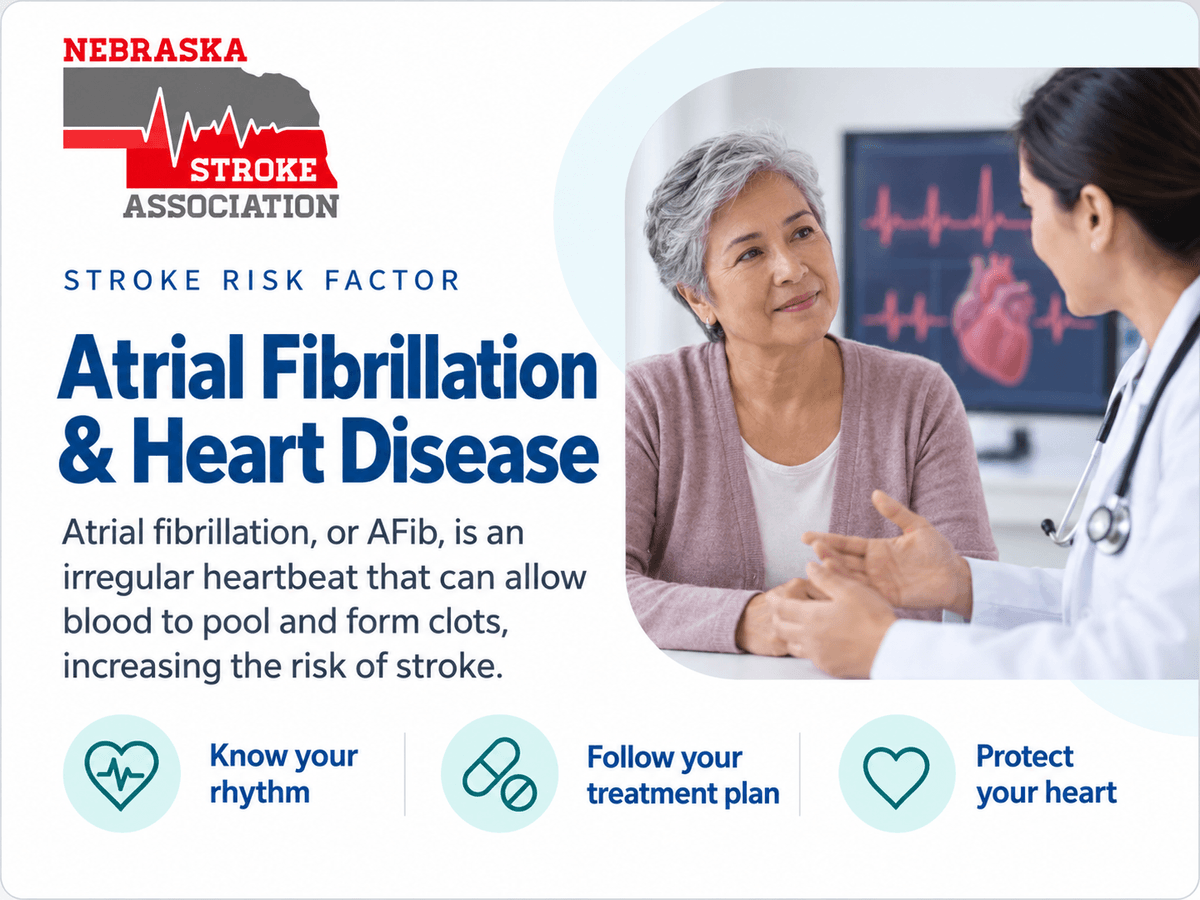
Atrial fibrillation, or AFib, is an irregular heart rhythm that can allow blood to pool and form clots. If a clot travels to the brain, it can cause a stroke.
AFib can significantly increase stroke risk, which is why diagnosis and appropriate treatment matter.
For additional information about stroke causes and risk factors:
https://www.cdc.gov/stroke/about/index.html
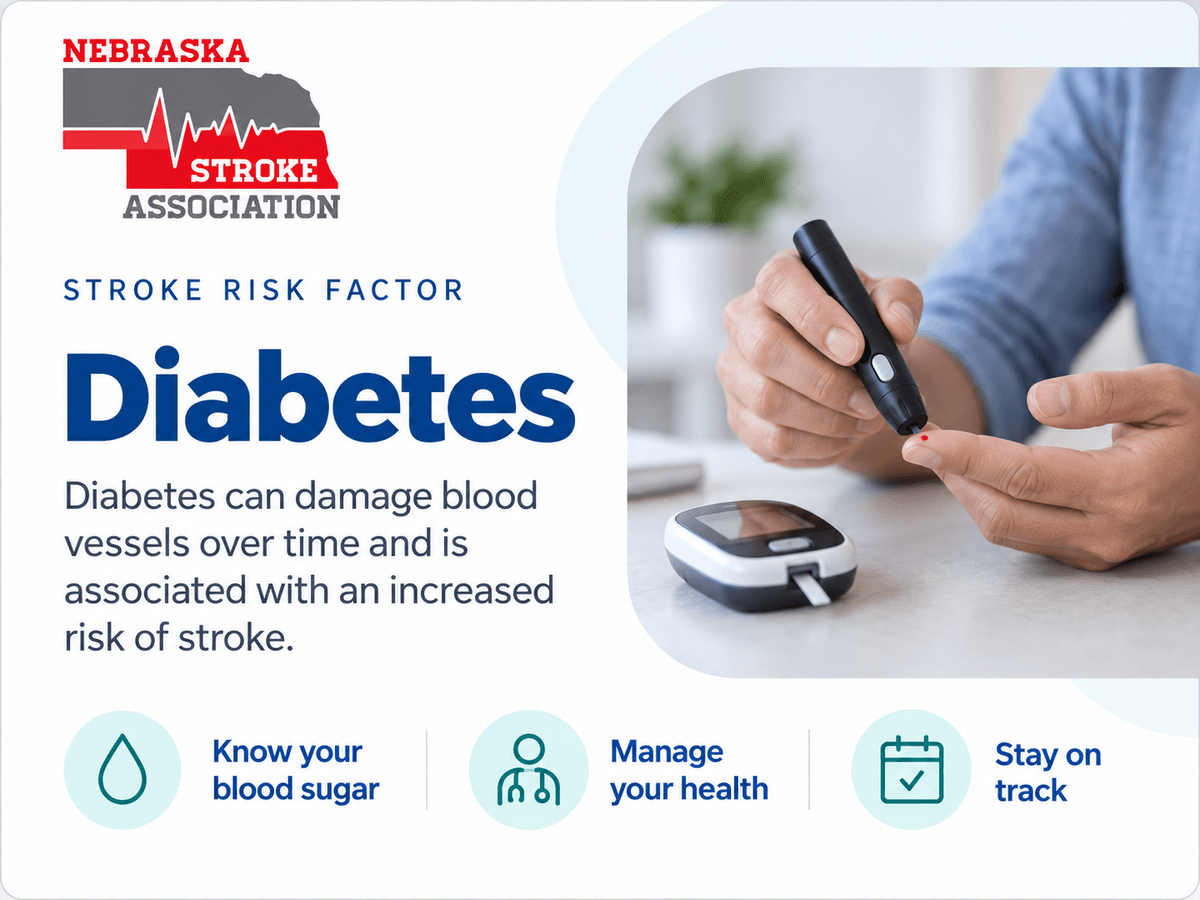
Diabetes can damage blood vessels over time and is associated with an increased risk of stroke.
Managing blood sugar, blood pressure, cholesterol, and other health conditions can help lower overall cardiovascular risk.
https://www.heart.org/en/health-topics/diabetes
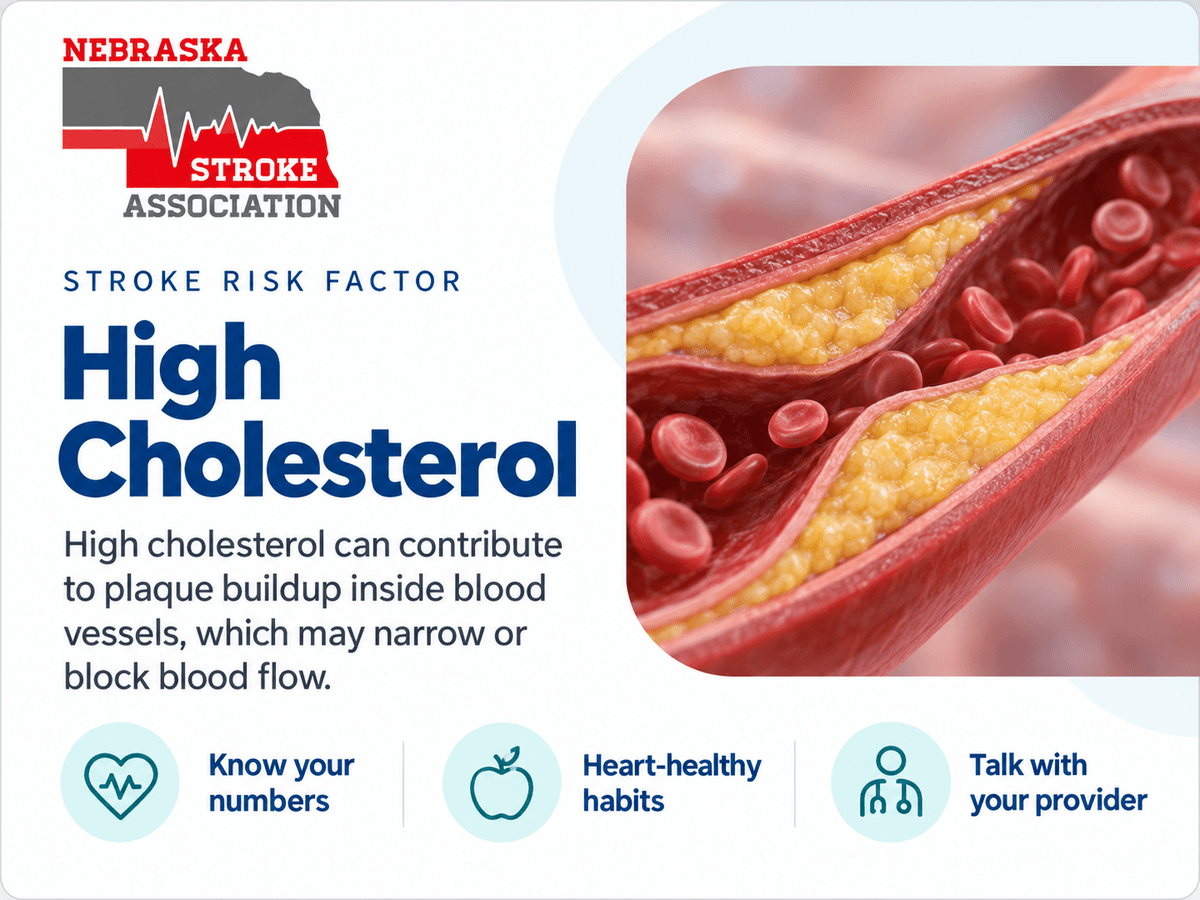
High cholesterol can contribute to plaque buildup inside blood vessels, which may narrow or block blood flow.
Knowing your cholesterol numbers and following your healthcare provider’s recommendations can help you manage cardiovascular risk.
I would not force an outside link here from your current resource list because you do not have a cholesterol-specific resource in that list.
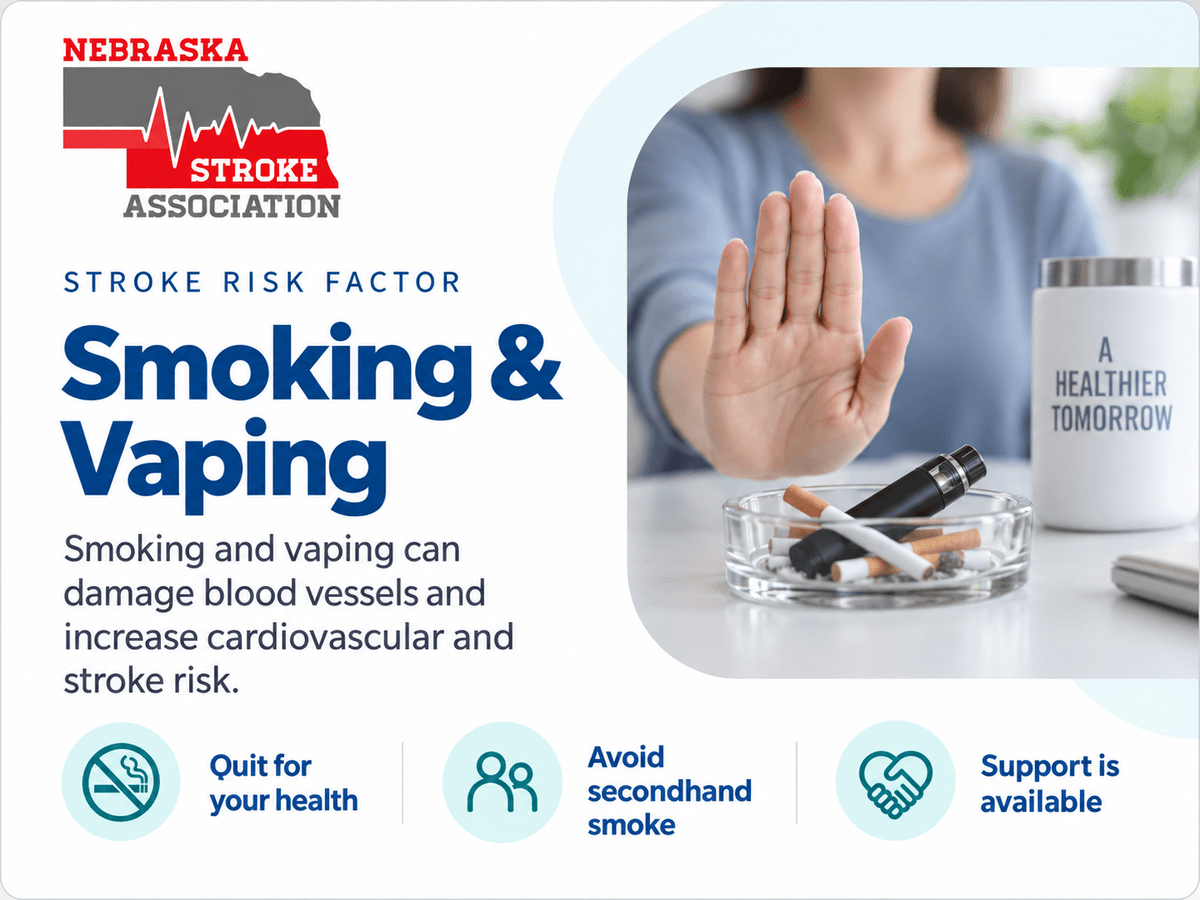
Smoking and vaping can damage blood vessels and increase cardiovascular and stroke risk.
Avoiding tobacco, nicotine products, and secondhand smoke is an important part of stroke prevention.
Again, I would leave this one without its own external button for now rather than linking somewhere that is only loosely related.
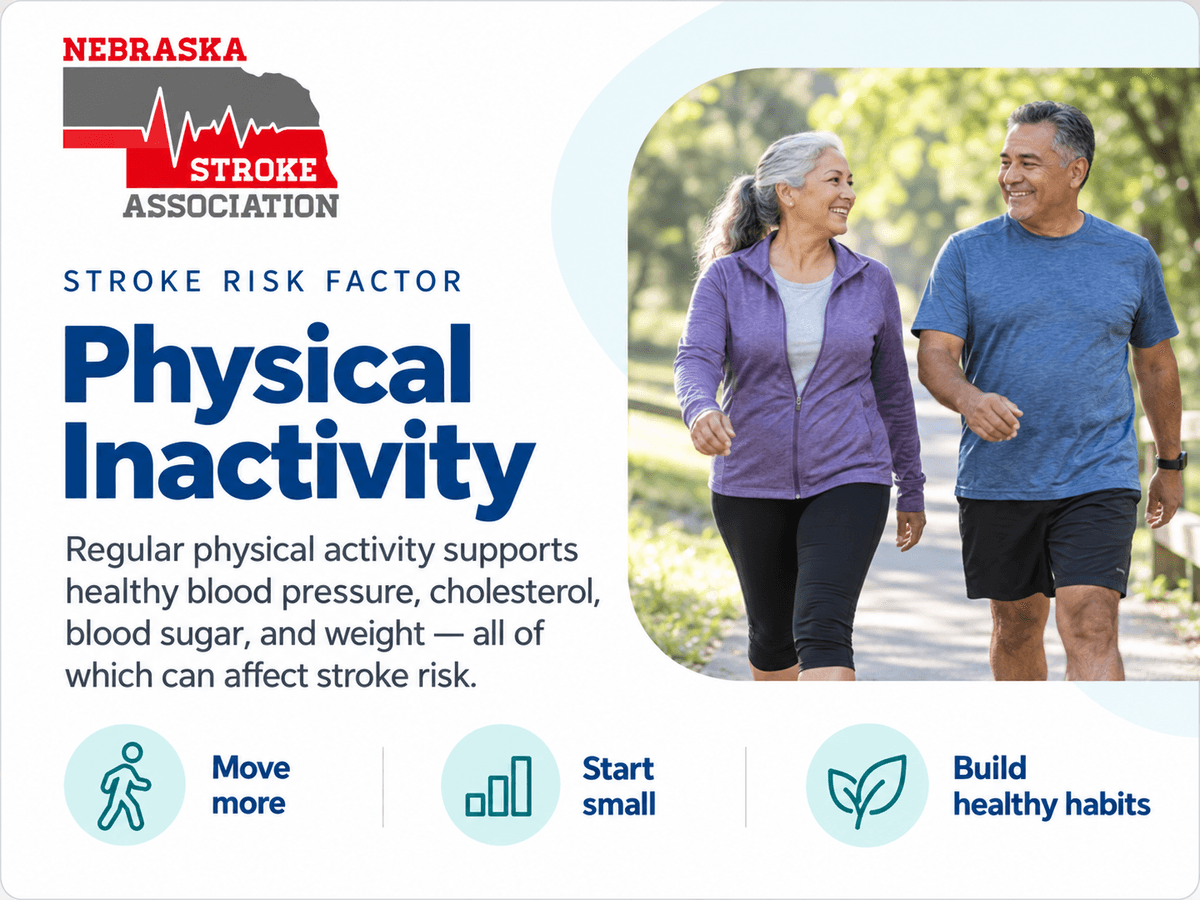
Regular physical activity supports healthy blood pressure, cholesterol, blood sugar, and weight — all of which can affect stroke risk.
Even small increases in movement can be a positive step toward better cardiovascular health.
https://www.heart.org/en/healthy-living/fitness
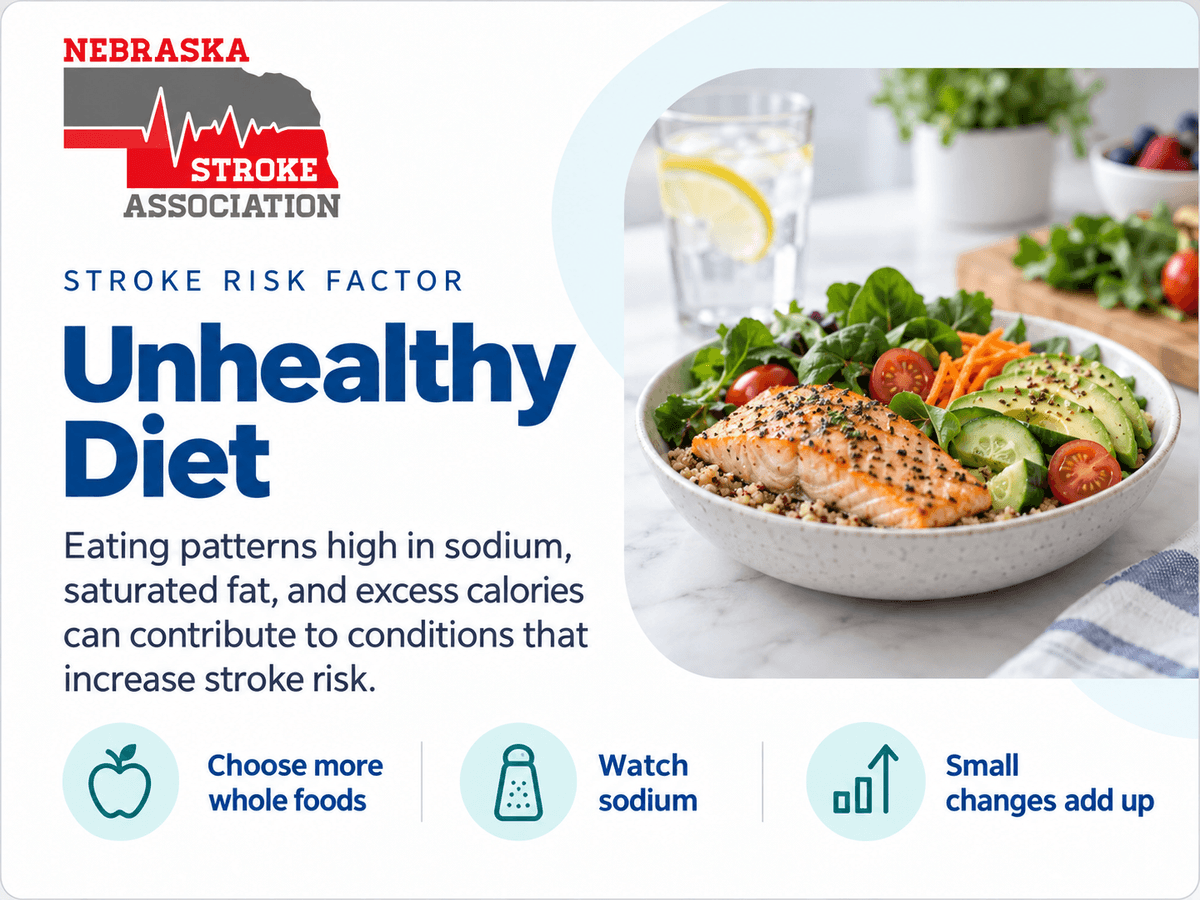
Eating patterns high in sodium, saturated fat, and excess calories can contribute to conditions such as high blood pressure, high cholesterol, obesity, and diabetes.
A balanced eating pattern can support heart and brain health.
https://www.heart.org/en/healthy-living/healthy-eating
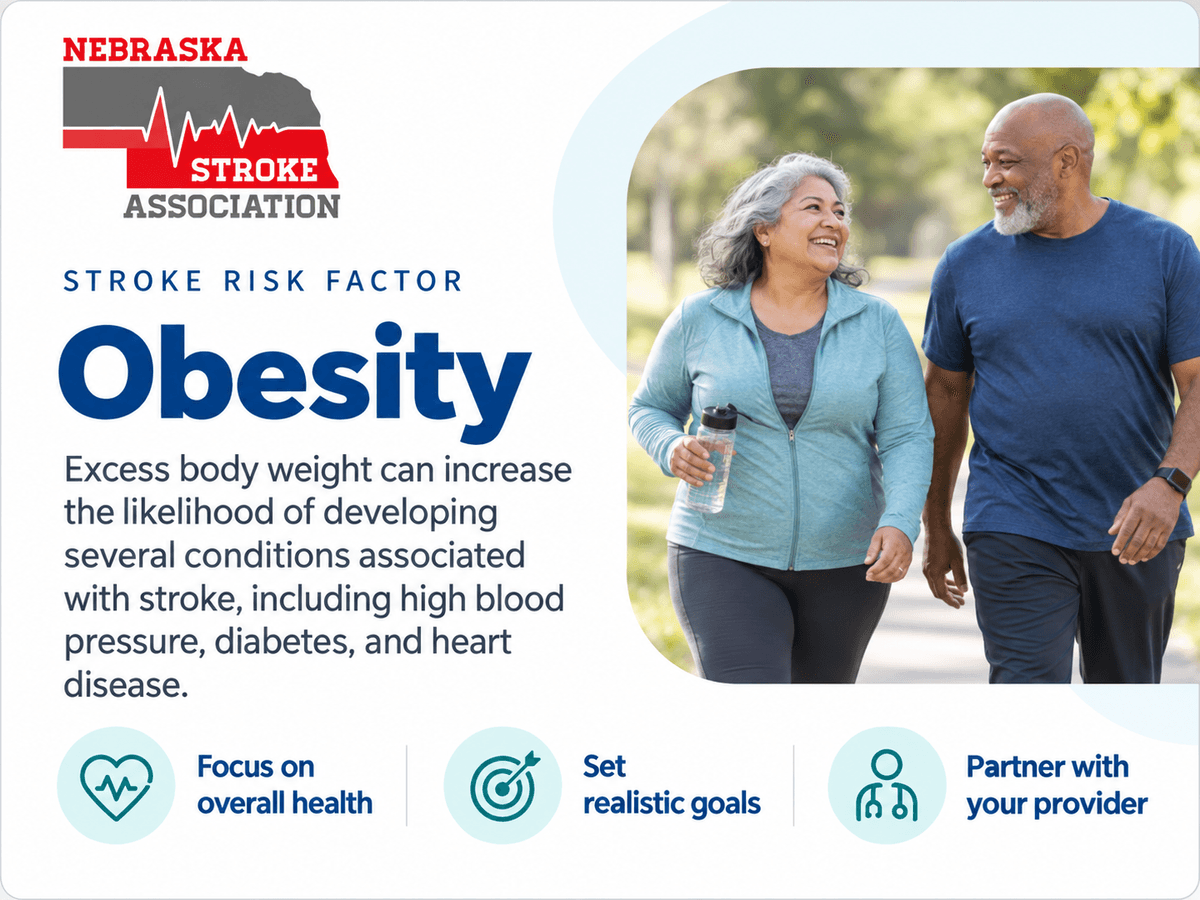
Excess body weight can increase the likelihood of developing several conditions associated with stroke, including high blood pressure, diabetes, and heart disease.
Your overall health matters more than any single number. Talk with your healthcare provider about what a healthy approach looks like for you.
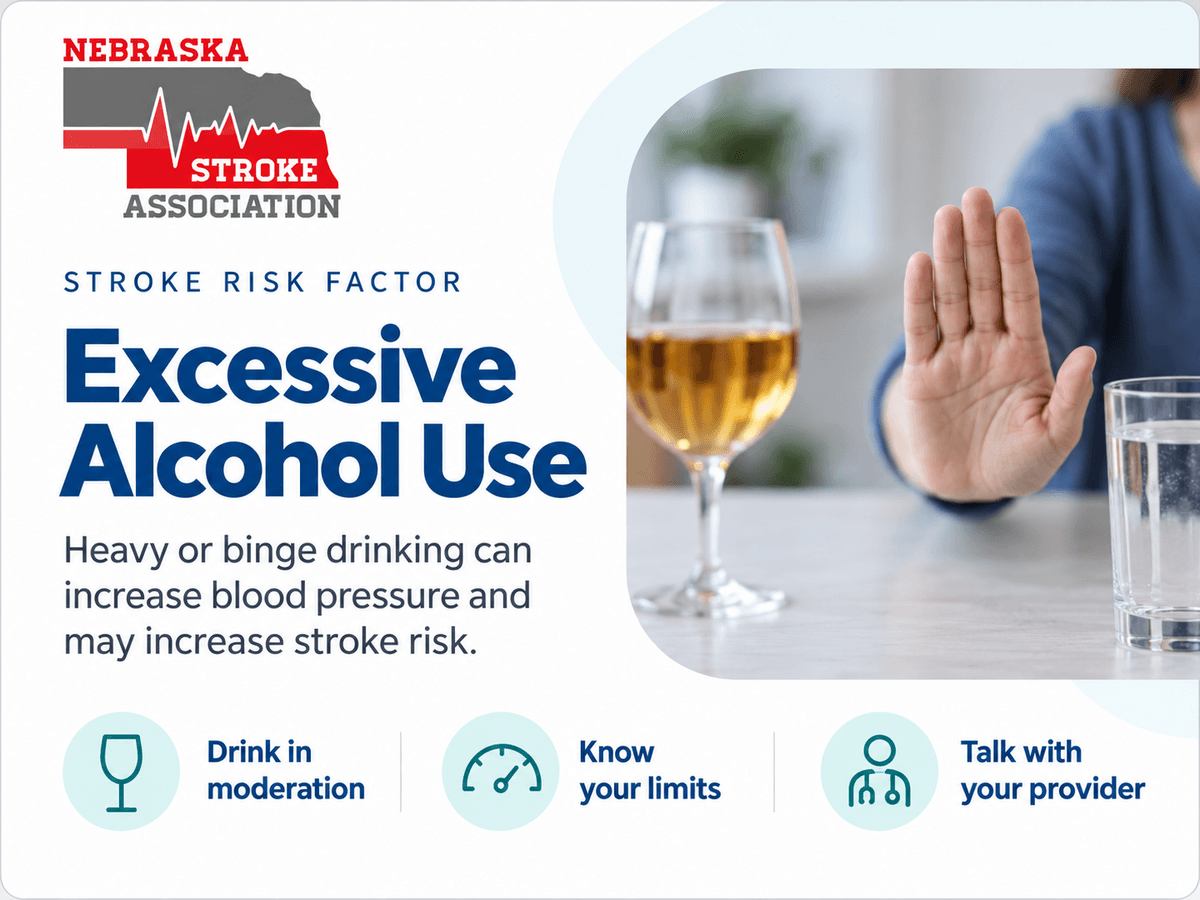
Heavy or binge drinking can increase blood pressure and may increase stroke risk.
If you have questions about alcohol and your personal health risks, talk with your healthcare provider.
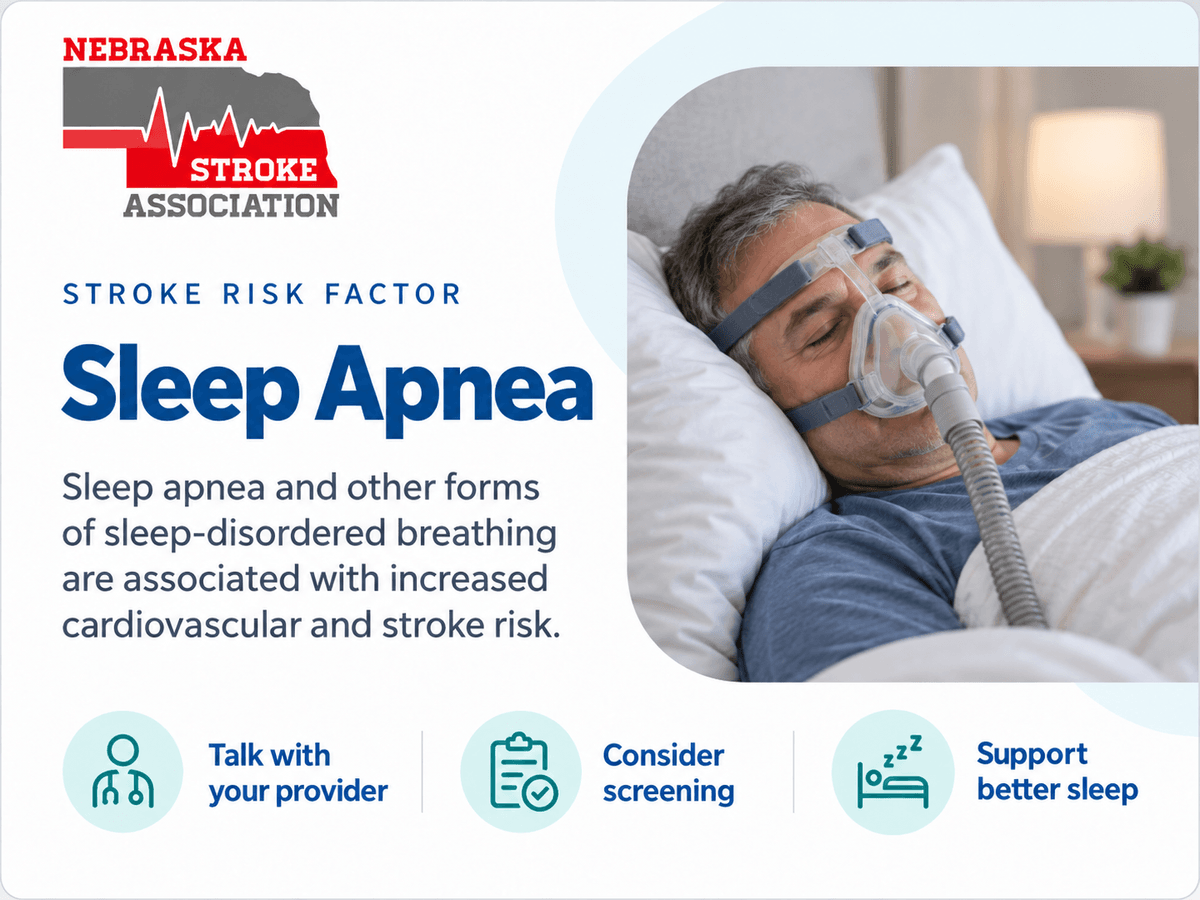
Sleep apnea and other forms of sleep-disordered breathing are associated with increased cardiovascular and stroke risk.
People who snore loudly, stop breathing during sleep, or experience excessive daytime sleepiness may want to talk with a healthcare provider about screening.
I would also leave this without a link until you have a strong sleep-apnea-specific source.
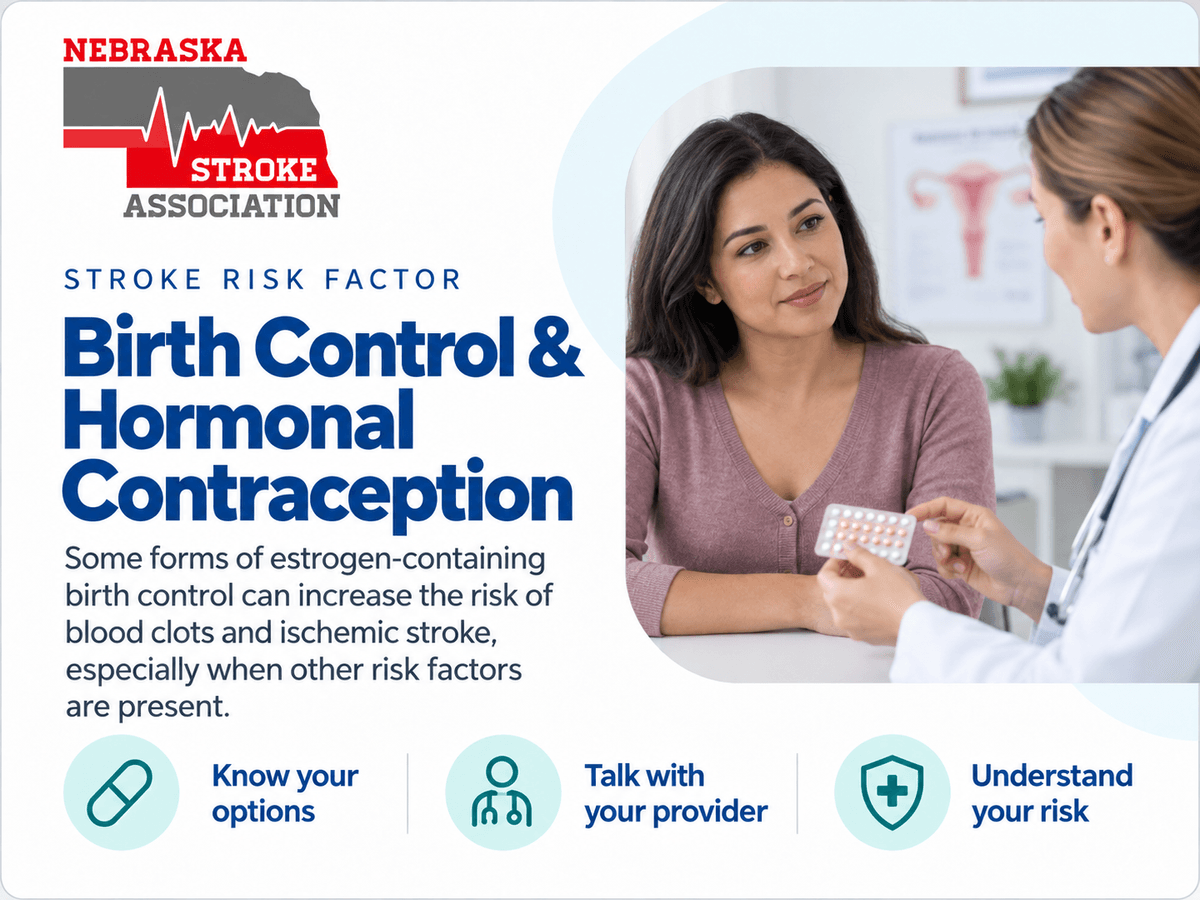
Some forms of estrogen-containing birth control can increase the risk of blood clots and ischemic stroke.
Risk may be higher for people who also have certain other risk factors, including smoking, high blood pressure, migraine with aura, certain blood-clotting disorders, or a history of blood clots or stroke.
Birth control is safe for many people, and individual risk varies depending on the type of contraception and personal health history.
Talk with your healthcare provider about which option is appropriate for you.
https://www.cdc.gov/stroke/about/women-and-stroke.html
Stroke prevention often starts with knowing your numbers and managing the health conditions that increase your risk.
Talk with your healthcare provider about:
Small changes and appropriate medical treatment can make a meaningful difference.
50,000
$110,000
41
